Materia Medica · Dravyaguna
Vidanga
Embelia ribes · Primulaceae
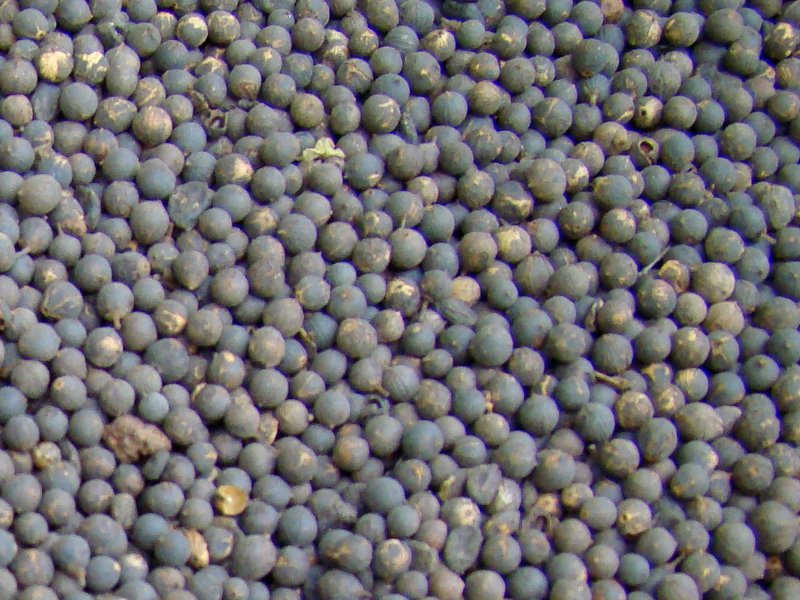

Vidanga is a small dark berry that Ayurveda uses to clear and settle the digestive tract. It is the herb the old texts name first when they speak of cleaning the gut.
- Botanical name
- Embelia ribes
- Family
- Primulaceae
- Sanskrit
- विडङ्ग
- Part used
- Dried fruit (berry)
- Taste (rasa)
- Pungent and astringent (katu, kashaya)
- Quality (guna)
- Light, dry and sharp (laghu, ruksha, tikshna)
- Energy (virya)
- Warming (ushna)
- After digestion (vipaka)
- Pungent (katu)
- Action (karma)
- Cleans the gut, kindles appetite, settles Kapha and Vata (krimighna, deepana)
- Best known for
- The classical herb for clearing the gut and steadying digestion
What is Vidanga?
Vidanga is the small dried fruit of a climbing shrub, Embelia ribes, that grows in the hill forests of India. The berries are about the size of a peppercorn and ripen from red to a dark reddish brown. Dried, they look a little like black pepper, which is why English sometimes calls the plant false black pepper. It is the berry that Ayurveda uses, ground to a powder or simmered into a decoction.
The Sanskrit name carries the herb’s reputation. Vidanga is read by the old commentators as “that which clears away”, and the tradition has always treated it as a cleaning herb, the one that keeps the gut tidy and the digestion light.
What Ayurveda uses it for
Vidanga’s place in the classical texts is fixed and famous. Charaka lists it at the head of the krimighna group, the set of herbs reached for to cleanse the belly and keep the gut clear. For two thousand years it has been the first name on that list.
Beyond cleaning, Ayurveda values it as a deepana and pachana herb. Deepana means it kindles the appetite, the way kindling wakes a low fire. Pachana means it helps the body digest what the texts call ama, the heavy, half-finished residue left behind when digestion runs sluggish. So the herb is reached for when the appetite is dull, the digestion feels stuck, or the body feels weighed down and in need of lightening.
Its qualities, in plain words
Ayurveda describes every herb by a short list of qualities, and Vidanga’s explain its work plainly.
It is pungent and warming, which is why it kindles a low digestive fire rather than dampening it. It is light, dry and sharp, so instead of adding heaviness it clears and scrapes, lifting the dull, sticky quality the texts dislike. And because it finishes pungent after digestion, it keeps working in the same direction, cleaning rather than clogging. Put together, this is a herb that warms, lightens and clears, which is exactly why the texts hand it the cleaning work.
These same qualities mean it settles the cold, heavy quality the tradition calls Kapha and steadies the restless quality called Vata. Its natural warmth means it is used thoughtfully in those who already run hot.
How it is taken
The simplest classical form is the powder, a small measure of the ground berry taken with warm water or honey. The texts also describe it as a kwatha, a decoction made by simmering the berries in water and reducing it down.
Vidanga rarely works alone. It is a common partner to Pippali (long pepper) and Haritaki (chebulic myrobalan), and it is folded into many named powders and medicated ghees where a cleaning, appetite-kindling note is wanted. It belongs to the warming, lightening side of the herb cabinet rather than the cooling or building side.
Good to know
Vidanga is a warming, drying herb, so the tradition reaches for it in the cold, damp, sluggish seasons and pairs it with cooling herbs for anyone who already runs hot. It is taken as a measured course, guided by appetite and digestion, not as an open-ended habit.
This entry describes the classical Ayurvedic understanding of the herb. It is not medical advice, and anyone with a health condition should speak to a qualified practitioner.
Frequently asked
Which part of the plant is used? The dried fruit, the small berry. The root bark appears in a few specialised preparations, but the berry is the part the classical texts describe and the part that carries the herb’s reputation.
Is it related to black pepper? No. It only resembles black pepper when dried, which is why it is sometimes called false black pepper. The two are unrelated plants.
Why do the texts name it first among the cleansing herbs? Because the classical tradition placed it at the head of Charaka’s krimighna group, the herbs reached for to keep the gut clear. That ranking has carried its reputation ever since.
Among the herbs that cleanse the belly, Vidanga is named the first.
After the Charaka Samhita, on the krimighna group
Frequently asked questions
What is Vidanga used for?
Vidanga, the small dried berry Embelia ribes, has long been reached for in Ayurveda to clean the gut, kindle the appetite and keep digestion light. The texts class its action as krimighna and deepana, meaning it clears the gut and kindles appetite, and it settles Kapha and Vata. Pungent and astringent, it is the classical herb for gut cleansing.
Is Vidanga good for parasites and gut health?
Vidanga is Ayurveda's foremost krimighna herb, the classical term for clearing unwanted organisms and residue from the gut, which is its best-known traditional use. Its pungent, astringent, warming nature also kindles appetite and keeps digestion light. It is framed as a gut-cleansing herb in the tradition, and for any real concern a doctor should be seen and a practitioner consulted.
How do you take Vidanga?
Vidanga is most often taken as a powder of the dried berries, on its own in warm water or honey, or built into gut-directed formulas. The dose depends on the purpose and the person. Because it is a warming, cleansing herb directed at the gut, its amount and course are best set by a qualified Ayurvedic practitioner.
Which dosha does Vidanga balance?
Vidanga settles Kapha and Vata. Its pungent and astringent rasa with a warming quality lightens the heavy, damp Kapha and steadies the Vata that unsettles digestion, while kindling Agni. This Kapha-Vata direction, along with its krimighna, gut-clearing, action, is why Ayurveda counts it a mainstay for keeping the gut clean and the appetite steady.
Is Vidanga the same as false black pepper?
Yes. Vidanga is the Ayurvedic name for the small dried berries of Embelia ribes, known in English as false black pepper because the dried fruits resemble peppercorns. It is not related to true pepper in use, though. In Ayurveda its value is as a krimighna, gut-cleansing, and deepana, digestion-kindling, herb rather than as a culinary spice.
References
- Charaka Samhita, Sutrasthana, on the Krimighna Mahakashaya (the ten cleansing herbs).
- Bhavaprakasha Nighantu, Haritakyadi Varga, entry on Vidanga.
- Ashtanga Hridayam, on deepana (appetising) and pachana (digestive) substances.