Formulations
Triphala
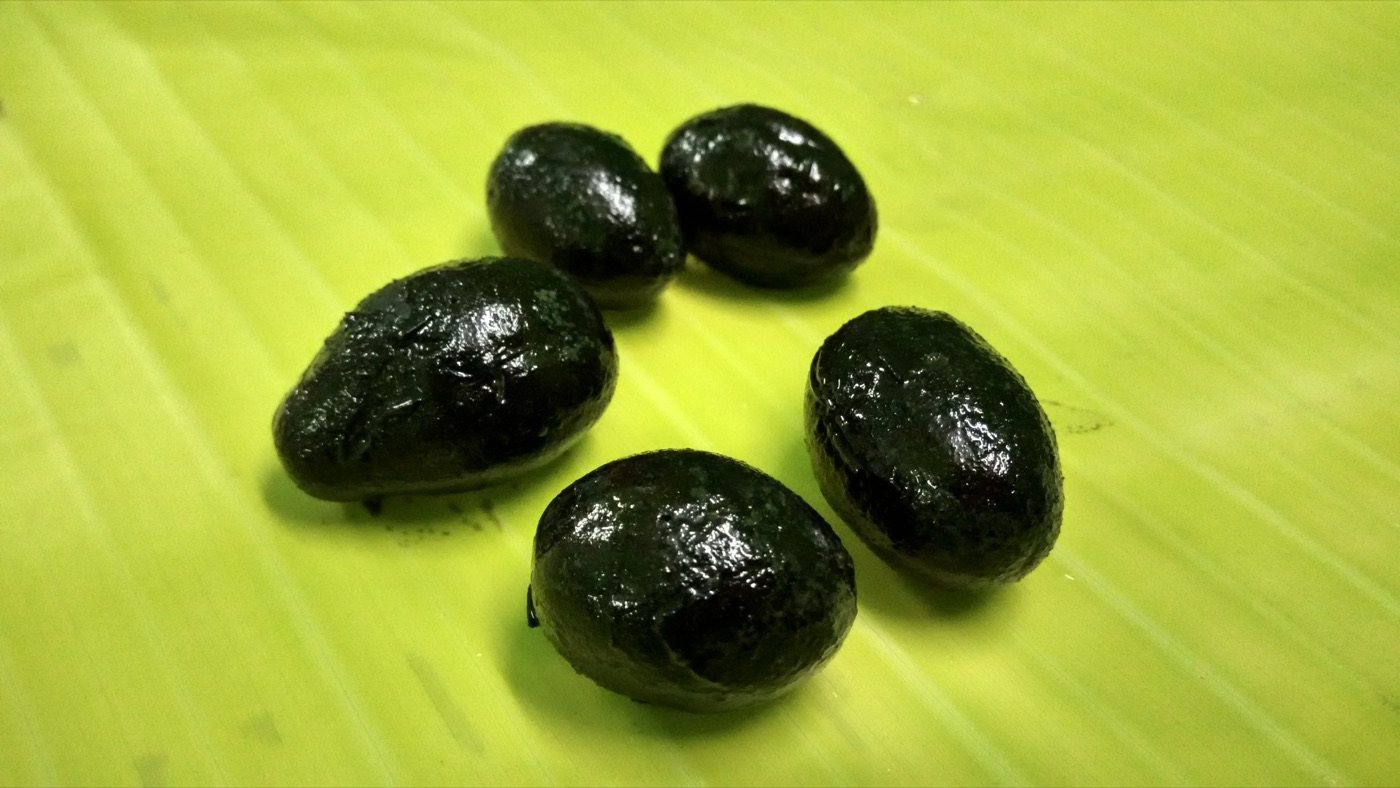
.jpg)
Triphala is the most famous powder in Ayurveda, made simply from three dried fruits in equal parts. It is the gentle, everyday preparation the tradition reaches for to keep digestion regular and the body clear.
- Part used
- The dried fruit of three plants
- Taste (rasa)
- Five of the six tastes, all but salty (madhura, amla, katu, tikta, kashaya)
- Quality (guna)
- Light and dry (laghu, ruksha)
- Energy (virya)
- Neither strongly heating nor cooling, balanced (anushna-shita)
- After digestion (vipaka)
- Sweet after digestion (madhura)
- Action (karma)
- Settles all three doshas, regulates digestion (tridoshahara, anulomana)
What it is
Triphala means simply “three fruits.” It is a powder, a churnam, made by drying and grinding three fruits and mixing them in equal parts. The three are Haritaki (Terminalia chebula), Bibhitaki (Terminalia bellirica) and Amalaki (Phyllanthus emblica), the last better known as the Indian gooseberry.
It is the best known compound in all of Ayurveda, and one of the oldest. The reason is its balance. Each of the three fruits leans towards one of the doshas, and together they cover all three. Haritaki suits Vata, Bibhitaki suits Kapha, and the cooling, sour Amalaki suits Pitta. Mixed in equal parts, the result is one of the very few preparations the tradition calls tridoshahara, balancing to all three at once.
Between them the three fruits carry five of the six tastes, lacking only the salty. This breadth of taste is part of why the texts treat Triphala as so widely useful and so gentle.
What it is used for
Triphala has two reputations in the classical texts, and they sit side by side.
The first is as a regulator of digestion. Its action is called anulomana, the gentle setting right of the downward flow, keeping the bowel regular without forcing it. The tradition is careful to describe Triphala as a normaliser rather than a harsh purgative. It keeps things moving in an even, unhurried way, which is why it is suited to daily use.
The second reputation is as a rasayana, a tonic taken over long stretches of time to support the body’s strength. Charaka places Triphala among the great rejuvenating preparations and describes taking it through the seasons, with honey and with ghee, as a practice for long life. This is the slow, building side of Ayurveda: not a quick remedy, but a steady habit.
Triphala is also classically connected with the eyes. A cooled infusion of the powder, strained well, is the basis of the old practice of washing the eyes, called netra prakshalana.
Its qualities, in plain words
Triphala is light and dry, which is why it does not sit heavily in the system and why it suits a body that feels clogged or dull. Its potency is balanced, neither strongly warming nor strongly cooling, and this evenness is exactly what lets it suit all three doshas without aggravating any of them.
Although several of its tastes are sharp, astringent and sour, it finishes sweet after digestion. In Ayurveda a sweet finish means a preparation nourishes rather than depletes. So Triphala both clears and supports, which is the quality the texts prize: it lightens the body while feeding it.
How it is taken
The simplest way is the classical one. Half a teaspoon to a teaspoon of the powder is stirred into warm water and taken at bedtime. Some take it with a little honey, some with a little ghee, and the choice is matched to the person and the season in the old texts: honey in the Kapha season of spring, ghee in the Pitta season of autumn, both in the Vata season of winter.
Triphala is also the base of several named preparations. Triphala Guggulu joins it with the resin Guggulu for the joints. Triphala Ghritham cooks it into ghee, classically connected with the eyes. A decoction of the powder is used as a wash.
Good to know
Triphala belongs to the gentle, everyday side of Ayurveda. It is the kind of preparation the tradition imagines a person taking quietly over years, not as a single dose for a single day. It is classically considered suitable for long-term use, which is unusual and is part of its standing.
This entry describes the classical Ayurvedic understanding of the preparation. It is not medical advice, and anyone with a health condition should speak to a qualified practitioner.
Frequently asked
Is Triphala a laxative? The tradition does not see it that way. Its action is anulomana, a gentle regulating of the bowel rather than a forceful purge, which is why it is considered suitable for everyday use.
Why three fruits? Because each fruit leans towards one dosha, and together they balance all three. That breadth is why Triphala is called tridoshahara and treated as one of the most versatile preparations in Ayurveda.
When is it taken? Most often at night, stirred into warm water, with honey or ghee according to the person and the season.
The one who takes the three fruits with honey and ghee through the seasons may keep their strength for a hundred years.
After the Charaka Samhita, Chikitsasthana, on rasayana
Frequently asked questions
What is Triphala?
Triphala is the classical three-fruit powder of Ayurveda, made in equal parts from Haritaki, Bibhitaki and Amalaki. It is one of the most widely used formulations in the tradition, taken for gentle daily clearing and as a long-term tonic. Its taste covers five of the six rasas, all but salty, and it is classed as tridoshahara, settling all three doshas.
What are the benefits of Triphala?
Triphala is traditionally valued for gentle, regular digestion and clearing, being classed as anulomana, and as a mild long-term rasayana tonic. Because it settles all three doshas (tridoshahara) it suits most constitutions in moderation. Ayurveda associates it with steady daily upkeep of digestion and the eyes rather than any quick or dramatic effect on a named condition.
How do you take Triphala?
Traditionally Triphala is taken as a powder, often half to one teaspoon stirred into warm water at night, or as a tablet. Warm water is the usual anupana. Taken at night it supports gentle morning clearing; taken by day it acts more as a tonic. A qualified practitioner can fit the dose and timing to your needs.
Can I take Triphala every day?
Yes, Triphala is one of the preparations Ayurveda traditionally allows as a long-term daily tonic, taken in modest amounts. Being tridoshahara, it is broadly suitable across constitutions. That said, it has a mild moving action, so those who tend to loose motions should start low. If in doubt, or during pregnancy, ask a qualified practitioner.
Does Triphala have side effects?
Triphala is generally gentle, but because it has a mild anulomana, downward-moving action, taking too much can loosen the stools or cause a little wind at first. Starting with a small amount usually settles this. It is traditionally used cautiously in pregnancy. As with any preparation, use a sensible dose and consult a qualified practitioner if unsure.
When is the best time to take Triphala?
The most common classical timing is at night before bed, stirred into warm water, which supports easy clearing the next morning. Taken instead in the morning on an empty stomach, it leans more toward its tonic, rasayana side. The right time depends on your aim, so a qualified practitioner can help you choose.
References
- Charaka Samhita, Chikitsasthana, chapter on rasayana (rejuvenation) therapy.
- Sharangadhara Samhita, on the equal-part method for Triphala Churnam.
- Ashtanga Hridayam, on Triphala for digestion and the eyes.