Materia Medica · Dravyaguna
Vacha
Acorus calamus · Acoraceae
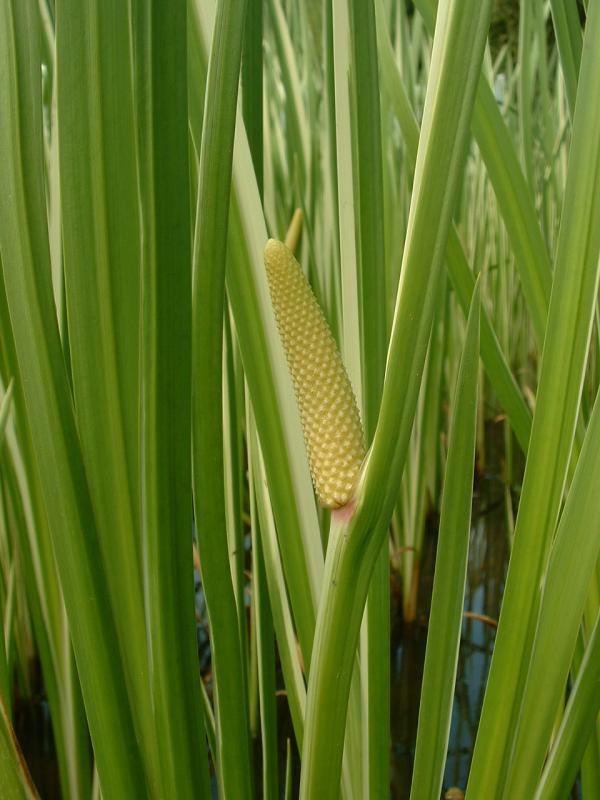

Vacha is the aromatic root of a marsh plant. Its very name means speech, and the tradition has always tied it to clear thinking and a clear voice.
- Botanical name
- Acorus calamus
- Family
- Acoraceae
- Sanskrit
- वचा
- Part used
- Rhizome (the underground root)
- Taste (rasa)
- Pungent and bitter (katu, tikta)
- Quality (guna)
- Light and dry (laghu, ruksha)
- Energy (virya)
- Warming (ushna)
- After digestion (vipaka)
- Pungent after digestion (katu)
- Action (karma)
- Clears the senses, kindles digestion, settles Kapha and Vata (medhya, deepana)
- Best known for
- The aromatic root the tradition links to clear speech and a clear mind
What it is
Vacha is the root of Acorus calamus, a reedy plant that grows in the wet ground along rivers, ponds and marshes. Above the water it is unremarkable, a clump of long sword-shaped leaves. What Ayurveda values is hidden below: a creeping, segmented rhizome with a sharp, warm, aromatic smell that some compare to a blend of ginger and cinnamon.
The name carries its meaning. Vacha comes from a Sanskrit word for speech, and the tradition has always linked the root to a clear voice and a clear, awake mind. The English names, sweet flag and calamus, point to the same plant and the same fragrance.
What it is used for
In Ayurvedic terms Vacha is a medhya herb, which simply means it is held to sharpen the mind. The classical writers reach for it where thinking feels dull, slow or foggy, the kind of heaviness they attribute to an excess of Kapha settling over the senses. It is a herb for the student and the speaker.
It is also a warming, drying root, so the texts use it where the body feels cold, damp and sluggish: weak digestion, a heavy chest, a thick voice. Because of its sharpness it is almost always given in very small amounts, as a pinch rather than a spoonful.
Its qualities in plain words
Ayurveda sums up every herb in a few qualities, and for Vacha they are clear-cut. It is pungent and bitter, the tastes that cut through heaviness and stagnation. It is light and dry, so it clears rather than feeds. And it is warming, which is why it suits cold, damp, dull conditions and why it is not a herb for someone already hot or fiery.
Put together, the picture is of a small, sharp, penetrating root. It does not nourish or build the way a sweet, oily herb does. It opens, clears and stirs. That is why so little of it goes a long way, and why the tradition is careful with the dose.
How it is taken
The simplest form is the dried root ground to a powder, taken in a very small pinch, often with a little honey for those of Kapha type or warm water. The smallness of the dose is part of the tradition; Vacha is a strong, aromatic root and the classical texts treat it with respect.
It also appears in named preparations. It is a common partner to Brahmi in mind-clearing formulas, and it is one of the herbs in Saraswata Churnam, the classical powder associated with study and memory. In oil form it is used in head and scalp preparations.
Good to know
Vacha is a warming, drying root, so the tradition reserves it for cold and damp conditions and uses it sparingly. It is not suited to someone of a hot, fiery Pitta type, and because it is so aromatic and strong it is always taken in small amounts and as a measured course rather than freely.
This entry describes the classical Ayurvedic understanding of the herb. It is not medical advice, and anyone with a health condition should speak to a qualified practitioner.
Frequently asked
Why is Vacha linked to speech? Its very name means speech, and the tradition ties the root to a clear voice and clear thinking. It was the herb classically associated with students, teachers and speakers.
Why is so little of it used? Vacha is a sharp, warming, aromatic root. The classical texts treat it as strong, so it is given in a pinch rather than a spoonful, and always for a measured course.
Which part of the plant is used? The rhizome, the creeping underground root. The leaves are not part of its classical preparations.
Vacha sharpens the wit, clears the voice and kindles the fire of digestion.
Classical tradition, after the Bhavaprakasha Nighantu
Frequently asked questions
What is Vacha used for in Ayurveda?
Vacha, from Acorus calamus, is an aromatic marsh root that Ayurveda links to clear speech and a clear, awake mind. Warming and drying in nature, the texts class it as medhya and deepana, so it is traditionally used to sharpen the senses and speech, kindle digestion and settle Kapha and Vata. Its very name points to speech.
Is Vacha good for the mind and speech?
The tradition strongly links it with both. Vacha is classed as medhya, a herb for the intellect, and its name is tied to Vak, speech, so Ayurveda associates it with clear speech, sharp senses and an awake, focused mind. It is used as a supporting herb for clarity, best under practitioner guidance, especially for a child, where dose matters greatly.
How do you take Vacha?
Vacha is used in very small amounts as a powder, often with honey, and externally as a paste or in nasal preparations. Because it is potent, warming and drying and can cause nausea if overused, the dose is deliberately tiny and is best set by a qualified Ayurvedic practitioner rather than self-selected. It should not be used freely.
Which dosha does Vacha balance?
Vacha settles Kapha and Vata, in keeping with its pungent and bitter taste and its warming, drying, penetrating nature. Its clearing, senses-sharpening quality suits cold, heavy, foggy Kapha states and unsettled Vata. Being warming and sharp, it is used with more care where Pitta is high, and always in small measured amounts.
What is another name for Vacha?
Vacha is known in English as sweet flag or calamus, and botanically as Acorus calamus, an aromatic root of marshy ground. The Sanskrit name Vacha is tied to speech, reflecting the herb's classical link with clear speech and a clear mind. Whatever the name, the tradition prizes the same warming, aromatic, medhya rhizome.
References
- Charaka Samhita, Sutrasthana, on Vacha among the herbs that clear the mind.
- Bhavaprakasha Nighantu, Haritakyadi Varga, entry on Vacha.
- Sushruta Samhita, on the warming and clarifying root substances.