Materia Medica · Dravyaguna
Sariva
Hemidesmus indicus · Apocynaceae
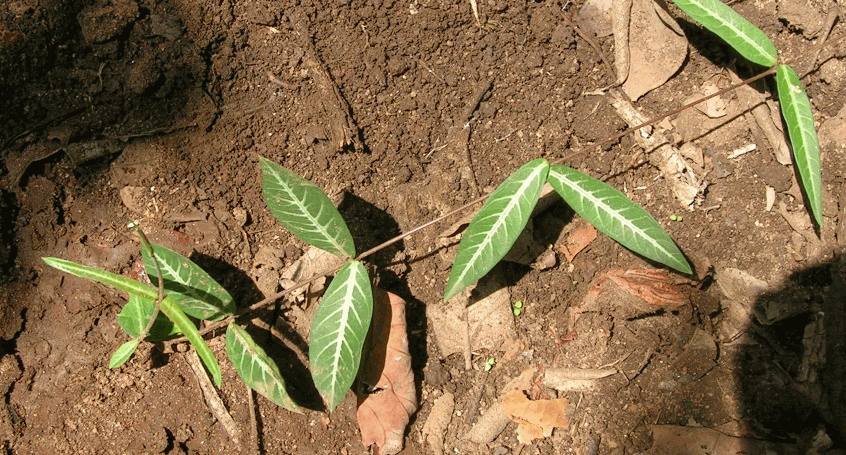

Sariva is a fragrant root that Ayurveda uses to cool the body. It is the herb the old texts reach for when heat has risen, especially the kind they read in the skin and the blood, and it is gentle enough to be taken over a long time.
- Botanical name
- Hemidesmus indicus
- Family
- Apocynaceae
- Sanskrit
- सारिवा
- Part used
- Root
- Taste (rasa)
- Sweet and bitter (madhura, tikta)
- Quality (guna)
- Light and slightly oily (laghu, snigdha)
- Energy (virya)
- Cooling (shita)
- After digestion (vipaka)
- Sweet after digestion (madhura)
- Action (karma)
- Cools, settles Pitta, cares for skin and blood (pittahara, raktaprasadana)
- Best known for
- Cooling the body and caring for the skin and the blood
What is Sariva?
Sariva is the root of a slender climbing plant, Hemidesmus indicus, that grows wild across the warmer parts of India. The plant itself is easy to miss: a thin vine that twines over shrubs, with small two-toned flowers. It is the root that Ayurveda values, and the root has a quality you notice at once, a sweet, faintly vanilla-like scent that has long made it a favourite.
Its names tell its story. In Sanskrit it is Sariva; in much of India it is Anantamool, the “endless root”, for the long, ramified roots it sends out. In English it is sometimes called Indian sarsaparilla, because, like the unrelated American plant of that name, it is a cooling root used in long, gentle courses. They are different plants from different families, so the shared name is best treated as a loose nickname rather than a botanical fact.
What Ayurveda uses it for
Sariva is, above all, a cooling herb. Ayurveda reaches for it when the hot, sharp quality the texts call Pitta has risen, and especially when that heat shows in the places the tradition watches most closely for it: the skin and the blood. The old writers grouped it among the Varnya herbs, the ones said to bring clearness and an even tone to the complexion.
The thinking is simple and consistent. Pitta is hot, sharp and spreading; Sariva is cool, sweet and settling, the opposite qualities, and so it is used to temper that heat. Because it is gentle rather than harsh, it is the kind of herb the texts are happy to give over weeks and months, the slow, steadying side of Ayurveda rather than the quick fix. It is also classed as a rasayana, a herb taken to maintain and restore over time, and it carries that quality of feeding while it cools.
Its qualities, in plain words
Ayurveda describes every herb by a short list of qualities, and for Sariva they fit together neatly. It is cooling, which is the heart of what it does and why it suits risen Pitta. Its taste is sweet with a bitter edge: the sweetness makes it nourishing and easy to take for a long time, and the bitterness gives it its clearing, settling character. It is light enough to move through the body easily, yet slightly oily, so it cools without drying things out. And it finishes sweet after digestion, which in Ayurvedic terms means it nourishes rather than depletes. A herb that cools and feeds at once is unusually useful, which is why this one appears in so many recipes.
How it is taken
Sariva is taken in several classical forms. The dried root is powdered and given with water, milk or honey, or simmered into a Kashayam, a decoction, and sipped. It is a favourite ingredient in the gently fermented tonics, where its cool, sweet character comes through well. And because so much of its reputation is bound up with the skin, it is also worked into medicated oils for use on the body.
Rather than standing alone, Sariva is often paired with other cooling roots in the classical recipes, where the herbs are understood to support one another. It belongs as much to the formulary as to the single-herb shelf.
Good to know
Sariva is a cooling, building herb, suited to heat and to long, patient use. The same sweet, moistening quality that makes it so gentle is the reason the texts use it thoughtfully in people who are already cold or heavy, where a warming, drying herb might suit better. As always in Ayurveda, the match is to the person and the season, not to a fixed rule.
This entry describes the classical Ayurvedic understanding of the herb. It is not medical advice, and anyone with a health condition should speak to a qualified practitioner.
Frequently asked
Is it the same as sarsaparilla? Not really. It is sometimes called “Indian sarsaparilla” because it is a cooling root used in the same slow, gentle way, but it is a different plant from a different family than the American sarsaparilla. The name is a nickname, not a botanical match.
Why does the root smell sweet? Sariva root carries a natural sweet, vanilla-like scent, which is one of the ways it is recognised and part of why it has long been prized. The scent is strongest in well-dried root.
Which part of the plant is used? The root. It is the long, fragrant root, the “endless root” of its Hindi name, that holds the herb’s cooling quality.
The sweet, cool root settles the heat of the body and brings clearness to the skin.
After the Charaka Samhita, on the complexion-supporting herbs
Frequently asked questions
What is Sariva used for in Ayurveda?
Sariva (Hemidesmus indicus), the Indian sarsaparilla, is a cool, sweet-scented root Ayurveda uses to settle heat, and the classic herb reached for in caring for the skin and the blood. The texts class its action as pittahara and raktaprasadana, so it is traditionally valued to cool Pitta and clarify the blood in heat-driven conditions.
What are the benefits of Sariva for skin?
Ayurveda associates Sariva with cooling the body and caring for the skin and blood, classing it as pittahara and raktaprasadana, an action that clarifies the blood. Because many skin troubles are read in Ayurveda as heat in the blood, Sariva is a favoured cooling root in that setting. Its use is framed as traditional support, not a cure for named skin conditions.
Which dosha is Sariva good for?
Sariva is chiefly a Pitta-settling herb, classed as pittahara, with a cooling, sweet and bitter character (madhura, tikta). It suits conditions of heat in the body and the blood, which is why Ayurveda turns to it for the skin and for clarifying Rakta. Being cooling, it is less suited to cold, Vata-dominant or heavily Kapha states.
How is Sariva taken?
Sariva is used both within cooling classical formulations and, traditionally, as a fragrant root steeped in water or taken as a decoction to settle heat. Its cooling, blood-clarifying actions (pittahara, raktaprasadana) suit it to summer and Pitta conditions. For a specific purpose the form and dose are best set by a qualified practitioner to match your constitution.
Is Sariva cooling?
Yes, Sariva is a distinctly cooling root in Ayurveda, which is the basis for its classical use in Pitta conditions and in caring for the skin and blood. Its sweet, bitter taste and pittahara, raktaprasadana actions make it a go-to for heat, especially heat read as sitting in the blood. This cooling nature defines its traditional place.
References
- Charaka Samhita, Sutrasthana, on the Varnya (complexion) group of herbs.
- Sushruta Samhita, on the cooling substances and their preparation.
- Bhavaprakasha Nighantu, entry on Sariva.