Materia Medica · Dravyaguna
Neem
Azadirachta indica · Meliaceae
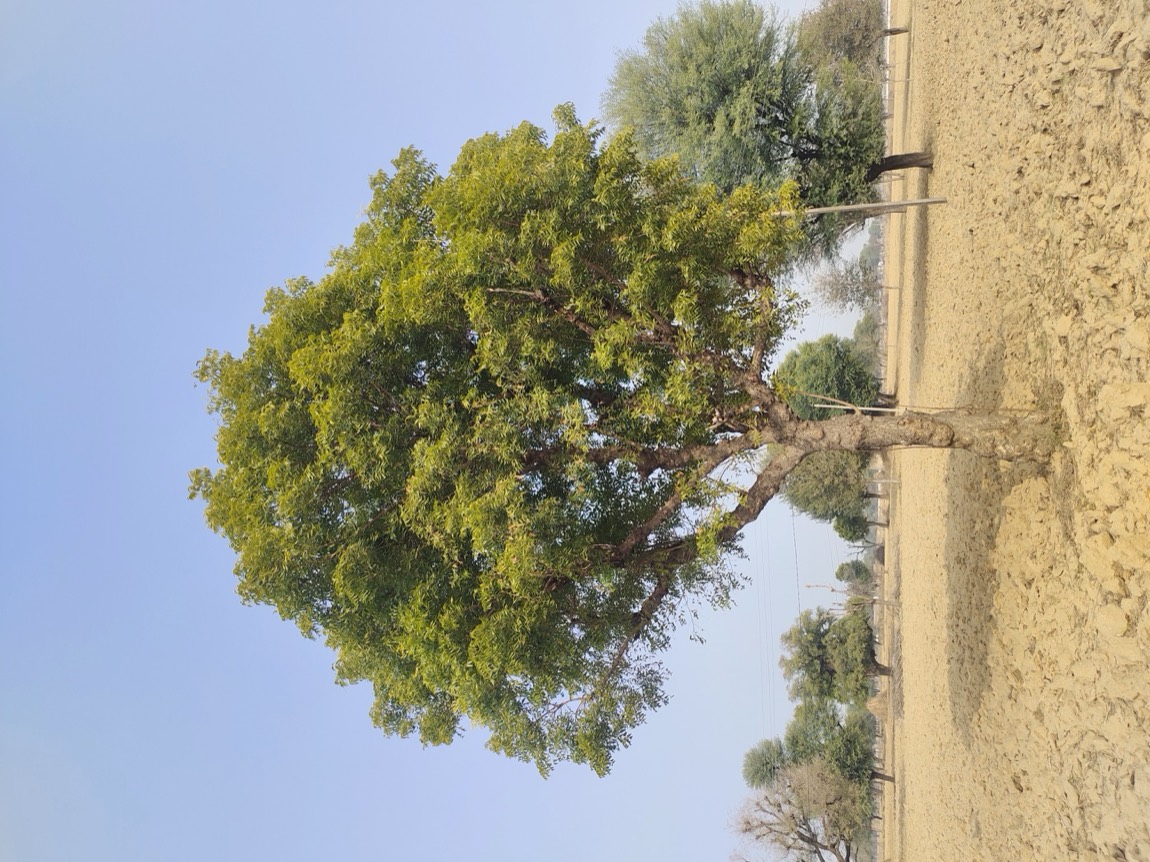

Neem is one of the most bitter herbs Ayurveda uses, and the tradition reaches for it again and again when heat needs to be cooled and the skin needs settling. Nearly every part of the tree has a classical use.
- Botanical name
- Azadirachta indica
- Family
- Meliaceae
- Sanskrit
- निम्ब
- Part used
- Leaf, bark, seed and oil
- Taste (rasa)
- Bitter and astringent (tikta, kashaya)
- Quality (guna)
- Light and dry (laghu, ruksha)
- Energy (virya)
- Cooling (shita)
- After digestion (vipaka)
- Pungent (katu)
- Action (karma)
- Cools Pitta, settles Kapha, the classic herb of clear skin (kushtaghna)
- Best known for
- The classic bitter, cooling herb of Ayurvedic skin care
What is Neem?
Neem is the leaf and bark of Azadirachta indica, a tall evergreen tree of the Indian subcontinent. Ayurveda knows it by its Sanskrit name, Nimba. It is a hardy tree, growing readily in poor, dry ground, with feathery leaves and small white flowers, and almost every part of it, leaf, bark, seed, flower and oil, has a place in the classical pharmacy.
What sets Neem apart is its taste. It is intensely bitter, and in Ayurveda bitterness is not a flaw but a tool. Of all the tastes, bitter is the one the tradition counts as most cooling, and Neem is the bitter herb the texts name first.
What Ayurveda uses it for
Neem is, above all, the herb of the skin. The classical authors place it at the head of the group they call kushtaghna, the herbs that care for the skin. It is used both taken inside, in small amounts, and applied outside as a paste or wash.
The tradition reaches for Neem whenever there is too much heat. It is raktashodhaka, a cleanser of the blood tissue in Ayurvedic thinking, and it is the herb most often paired with the idea of a cool, clear, settled Pitta. Its bitter taste is also classically tied to krimighna, the keeping of the body and its surroundings clean, and Neem twigs were among the oldest tooth-cleaning sticks Ayurveda describes.
Its qualities, in plain words
Ayurveda reads every herb through a short list of qualities, and Neem’s tell a clear story.
It is bitter and astringent, the two tastes that cool and tighten. It is cooling in its action, so it suits hot, sharp, inflamed conditions, the qualities the texts gather under Pitta. And it is light and dry, which is why it also settles the heavy, damp quality of Kapha. The same dryness is a caution: used too freely, a herb this bitter and drying can unsettle the light, dry quality of Vata, so the tradition uses it with care and rarely alone for long.
How it is taken
Inside, Neem is used sparingly, because it is so strong. The leaf is taken as a small dose of powder, or the bark is simmered into a decoction. More often it is found in named preparations where other herbs round off its bitterness.
Outside, it is simpler. The leaves are ground into a paste and applied, or the seed oil is used on the skin and hair. These external uses are among the oldest and most everyday in the whole tradition.
Good to know
Neem is potent, and the texts treat it that way. It is a herb of heat and damp, of summer rather than the dry cold of winter, and it is balanced by sweet, oily, nourishing partners when taken for any length of time. Its bitterness is the whole point of it, and also the reason it is used in measured amounts.
This entry describes the classical Ayurvedic understanding of the herb. It is not medical advice, and anyone with a health condition should speak to a qualified practitioner.
Frequently asked
Why is Neem so bitter? Because that is what it is for. In Ayurveda bitter is the most cooling and cleansing of the tastes, and Neem is the bitter herb the texts name first. The bitterness is the medicine, not a side effect.
Which part is used? Several. The leaf and bark are used internally and as washes and pastes; the seed oil is used on skin and hair. The tradition treats almost the whole tree as useful.
Is it warming or cooling? Cooling. Neem is a cold-natured herb, which is why it is reached for in hot, sharp conditions and why it pairs with the settling of Pitta rather than Vata.
Bitter, cooling and light, Nimba is the foremost of the herbs named for the care of the skin.
After the Bhavaprakasha Nighantu, on Nimba
Frequently asked questions
What is neem (Nimba) used for in Ayurveda?
Neem, or Nimba (Azadirachta indica), is a very bitter, cooling leaf and bark that Ayurveda treats as the first herb of clear skin and a cool, settled Pitta. The texts class it as kushtaghna, the classic herb of clear skin, cooling Pitta and settling Kapha. Its taste is bitter and astringent (tikta, kashaya).
Is neem good for the skin?
In the classical tradition neem is the foremost bitter, cooling herb of skin care, classed as kushtaghna, the herb of clear skin. Its bitter, cooling, drying nature is understood to cool Pitta and dry damp, and it is used in washes, pastes and oils. It is offered as traditional skin support, not a treatment for any condition.
Which dosha does neem balance?
Neem cools Pitta and settles Kapha. Its bitter and astringent taste (tikta, kashaya) is cooling and drying, which is why the tradition reaches for it where heat and damp Kapha show, especially in the skin. Being cooling and drying, it is not the first choice for someone already very dry and Vata-aggravated.
Can neem be taken internally?
Neem is used both externally, in washes, pastes and oils, and internally in classical preparations, though its intense bitterness means internal use is measured. Because it is potent and strongly cooling and drying, internal neem is best taken by the right dose under a qualified Ayurvedic practitioner rather than casually.
Why is neem so bitter?
Neem's dominant taste is bitter (tikta), joined by astringent (kashaya). In dravyaguna the bitter taste is the most cooling and drying of the six, and it is exactly this quality that underlies neem's reputation for clear skin and a settled Pitta, so the intense bitterness is central to how the tradition uses it.
References
- Charaka Samhita, listing Nimba among the itch-relieving and bitter herbs.
- Sushruta Samhita, on Nimba in the cleansing and wound-care groups.
- Bhavaprakasha Nighantu, entry on Nimba.