Materia Medica · Dravyaguna
Nagkesara
Mesua ferrea · Calophyllaceae
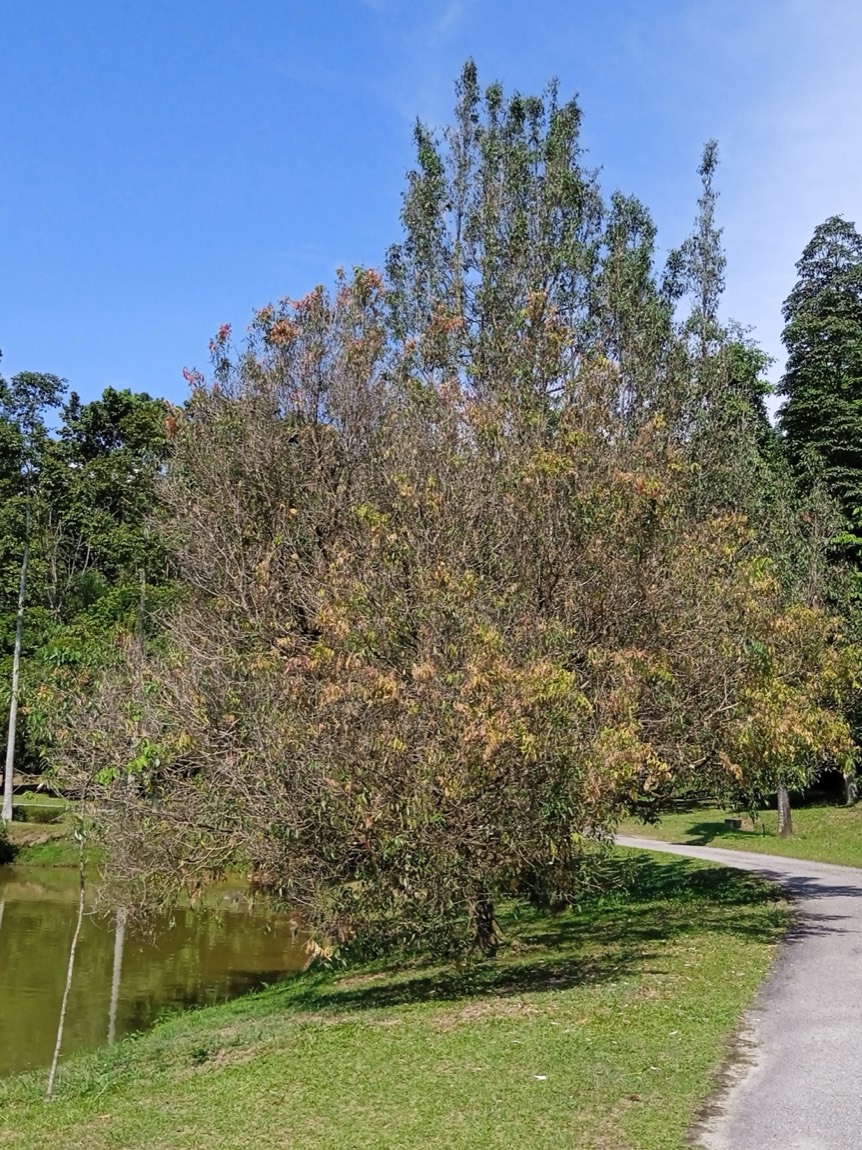

Nagkesara is the dried flower of the ironwood tree, valued for its golden stamens. Ayurveda uses it as a cooling, astringent remedy, classically for heat in the body and an inclination to bleed.
- Botanical name
- Mesua ferrea
- Family
- Calophyllaceae
- Sanskrit
- नागकेसर
- Part used
- Flower (the dried stamens)
- Taste (rasa)
- Bitter and astringent, with a sweet note (tikta, kashaya, madhura)
- Quality (guna)
- Light and dry (laghu, ruksha)
- Energy (virya)
- Cooling (shita)
- After digestion (vipaka)
- Pungent (katu)
- Action (karma)
- Cools the body, steadies bleeding, brightens the skin (pitta shamana, stambhana, varnya)
- Best known for
- Cooling the body and steadying a tendency to bleed
What is Nagkesara?
Nagkesara is the dried flower of Mesua ferrea, a tall evergreen tree of southern Asia. The tree is famous for its timber, so hard and heavy that it is called ironwood, which the Latin name ferrea, meaning iron, records. But it is not the wood that Ayurveda values. It is the flower, and within the flower its mass of fine golden stamens.
The name explains the appearance. Naga can mean a serpent or, just as often, the noble and excellent; kesara means the filaments or stamens of a flower. So Nagkesara is the “serpent’s stamens” or the “noble filaments,” named for the dense golden threads at the heart of each fragrant white bloom. Dried, these stamens keep their colour and their sweet, penetrating scent, and they are the part used in classical practice.
What Ayurveda uses it for
Nagkesara is a cooling, astringent flower, and the tradition reaches for it in two related situations.
The first is heat. In Ayurvedic terms it calms Pitta, the principle of fire and metabolism, so the classical texts use it where the body runs hot and irritated, in heated states of the skin and blood. The second follows from the first: it is stambhana, meaning it holds and steadies, and so it was the classic flower for a tendency to bleed, where the texts saw heat in the blood pushing the flow beyond its proper course. Its astringent, cooling nature was understood to settle both the heat and the flow together.
It has a third, gentler reputation. Charaka counts it among the Varnya herbs, the group held to brighten and clear the complexion. For that reason Nagkesara is a treasured ingredient in the classical beauty oils, where its cooling, complexion-supporting quality is prized.
Its qualities, in plain words
Ayurveda describes Nagkesara as bitter and astringent, with a faint sweetness, and as light and dry. The bitter and astringent tastes are what make it cooling and steadying, the qualities behind both its calming of heat and its holding, settling action.
Its power is cooling, which is the heart of its character and the reason it suits a hot, irritated state rather than a cold, sluggish one. Yet after digestion it finishes pungent, a small warming note that keeps it from being heavy or clogging. Put together, it is a flower that cools and steadies without dulling the digestion, which is why the texts found such varied use for it.
How it is taken
The dried stamens are most often powdered and given in a small measure, classically with honey, which suits its cooling, settling purpose. Honey is the usual companion because the tradition pairs it with cooling, astringent remedies of this kind.
Nagkesara also appears within many named preparations. It is one of the precious ingredients of the classical complexion oils, a member of cooling decoctions and powders, and a frequent supporting flower in formulas built to calm heat and steady the blood.
Good to know
Because Nagkesara is cooling, dry and light, the tradition suits it to heat and to a tendency to bleed rather than to dryness or cold. In a body already dry or depleted it is used, if at all, balanced with nourishing companions.
This entry describes the classical Ayurvedic understanding of the herb. It is not medical advice, and anyone with a health condition should speak to a qualified practitioner.
Frequently asked
Which part of the plant is used? The flower, and within it the fine golden stamens. These keep their colour and scent when dried and are the part the tradition values.
Why is it called cobra saffron? Because of its mass of golden, saffron-coloured stamens and its Sanskrit name, which carries the sense of the serpent and the noble. The dried stamens look a little like saffron, hence the English name.
Is it related to true saffron? No. The likeness is only in the look of the golden stamens. Nagkesara comes from the ironwood tree and is an unrelated plant.
Nagkesara, cool and astringent, calms the heat of the blood and stays the flow that has overrun its course.
After the classical Nighantus, on the qualities of Nagkesara
Frequently asked questions
What is Nagkesara used for?
Nagkesara is the dried golden stamens of the ironwood tree Mesua ferrea, used in Ayurveda to cool the body and steady a tendency to bleed. The texts class its action as pitta shamana, stambhana and varnya, meaning it cools Pitta, checks bleeding and brightens the skin. Bitter and astringent with a sweet note, it is used within classical formulas.
Is Nagkesara good for bleeding disorders?
Ayurveda classes Nagkesara as stambhana, a herb that checks or steadies flow, which is why it is traditionally reached for where there is a tendency to bleed. Its cooling, pitta shamana quality supports this, since the texts often link bleeding with aggravated Pitta. It is used within formulas and, being a clinical use, is best guided by a qualified practitioner.
What part of the plant is Nagkesara?
Nagkesara is the dried stamens, the golden thread-like flower parts, of the ironwood tree Mesua ferrea, sometimes called cobra saffron for their appearance. It is these fragrant dried stamens, rather than the leaf or bark, that Ayurveda uses. They carry the herb's cooling, astringent, bleeding-steadying and complexion-brightening qualities into the classical formulas that contain it.
Which dosha does Nagkesara balance?
Nagkesara is chiefly cooling and is directed at Pitta, its action classed as pitta shamana. Its bitter and astringent rasa with a sweet note gives it a settling, cooling character well suited to heat, bleeding and irritation, which Ayurveda links with aggravated Pitta. This cooling nature underlies its traditional use for steadying the blood and brightening the skin.
Is Nagkesara the same as saffron?
No. Nagkesara is sometimes called cobra saffron because its golden stamens resemble saffron threads, but it is a different plant, the ironwood tree Mesua ferrea, not the crocus that yields true saffron, or Kumkuma. In Ayurveda Nagkesara is valued as a cooling, astringent, bleeding-steadying herb, a distinct role from that of saffron.
References
- Charaka Samhita, Sutrasthana, on the Varnya group of complexion-supporting herbs.
- Sushruta Samhita, on substances that cool a heated Pitta.
- Bhavaprakasha Nighantu, on the qualities and uses of Nagkesara.