Materia Medica · Dravyaguna
Turmeric
Curcuma longa · Zingiberaceae
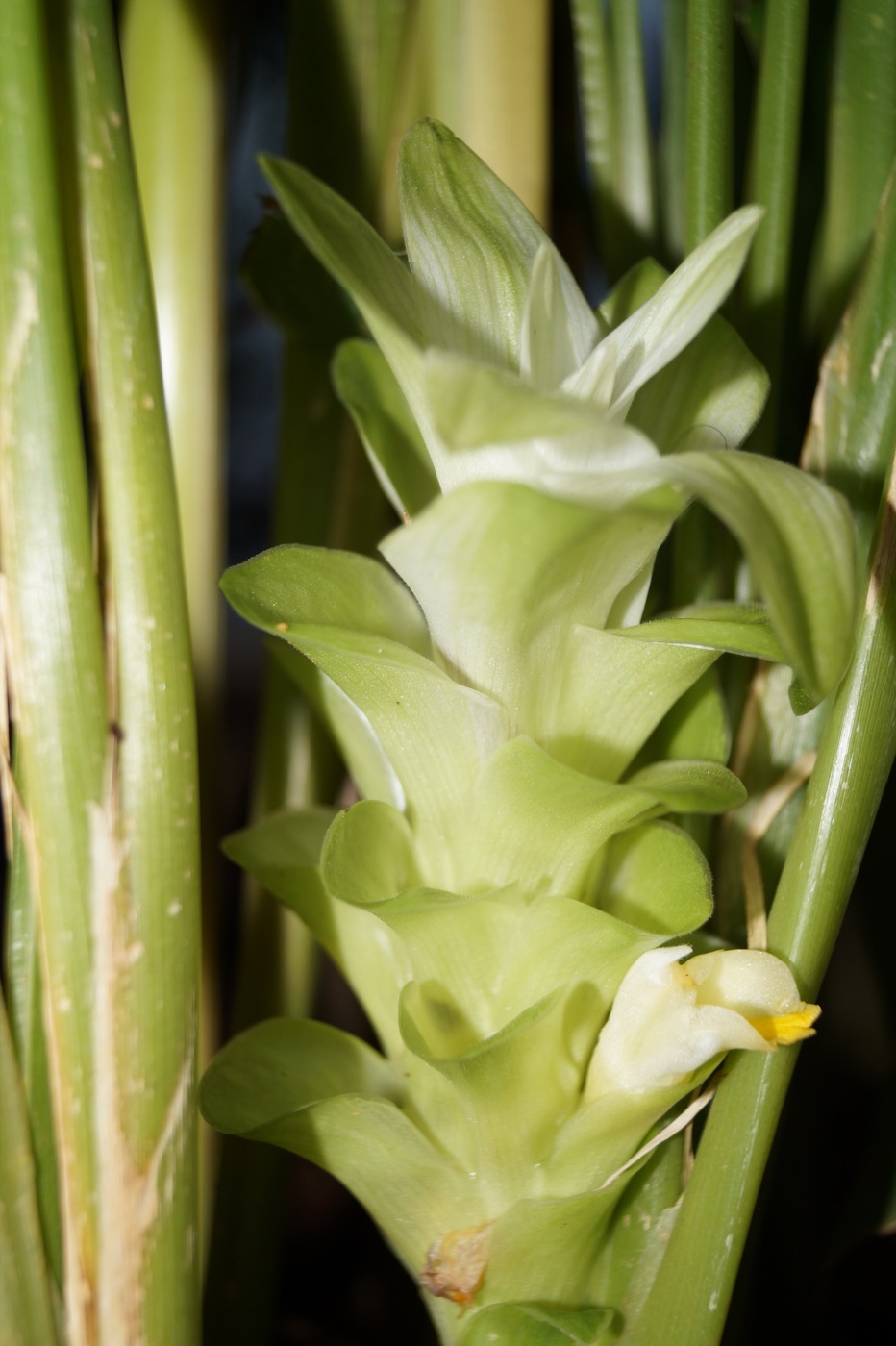

Turmeric is the golden root found in every Indian kitchen. In Ayurveda it is valued for the skin and complexion and for keeping the blood and the digestion clean, which is why a pinch goes into food almost every day.
- Botanical name
- Curcuma longa
- Family
- Zingiberaceae
- Sanskrit
- हरिद्रा
- Part used
- Rhizome (root)
- Taste (rasa)
- Bitter and pungent (tikta, katu)
- Quality (guna)
- Light and dry (laghu, ruksha)
- Energy (virya)
- Warming (ushna)
- After digestion (vipaka)
- Pungent (katu)
- Action (karma)
- Balances all three doshas, cleanses the blood (tridoshahara, raktashodhaka)
- Best known for
- The everyday herb for the skin, blood and digestion
What is Turmeric?
Turmeric is the rhizome of Curcuma longa, the knobbly underground stem that is boiled, dried and ground into the familiar golden powder. In Ayurveda it is called Haridra. It is the rare herb that is both a daily food and a respected medicine: the same pinch that colours a curry is, in the classical view, doing quiet work for the body.
What Ayurveda uses it for
Two uses stand out in the texts. First, the skin and complexion: Haridra is the classic herb for a clear, even complexion, used both taken internally and applied as a paste. Second, clean blood and digestion: it is grouped among the raktashodhaka herbs, those said to cleanse the blood, and its warming, drying nature helps the body deal with the heavy, stagnant, damp states of excess Kapha. These are descriptions of the tradition, not medical advice.
Its qualities, in plain words
Turmeric is unusual because it is bitter and pungent, warming, and drying all at once, and the classical authors say it gently balances all three doshas. Most herbs lean one way; turmeric’s mix of tastes lets it clear heat from the blood (a Pitta job) while its warmth and dryness move Kapha stagnation, without badly aggravating Vata when taken with food. That broad usefulness is why it became an everyday spice rather than an occasional remedy.
How it is taken
In the kitchen, simply cooked into food. As a remedy, it is taken as a powder, often stirred into warm milk, the well-known “golden milk,” or made into a paste with water for the skin. It is an ingredient in many classical formulations for the skin and the blood.
Good to know
A little turmeric daily is the classical pattern, rather than large amounts. It stains, it is warming, and its powder is best taken with a fat such as milk or ghee, which the tradition has always paired it with. As with any herb, anyone with a health condition should speak to a qualified practitioner.
Frequently asked
Why is turmeric taken with milk or ghee? Because the tradition pairs it with a fat, and the warm sweet vehicle of “golden milk” both carries the herb and softens its dryness.
Is Haridra the same as the cooking spice? Yes. The kitchen spice and the Ayurvedic herb Haridra are the same rhizome, Curcuma longa. The medicinal use simply takes it more deliberately.
Haridra purifies the blood and brightens the complexion.
Classical tradition, after the Bhavaprakasha Nighantu
Frequently asked questions
What is turmeric (Haridra) used for in Ayurveda?
Haridra, turmeric (Curcuma longa), is the golden kitchen rhizome used in Ayurveda for the skin and complexion, to support clean blood, and as a daily anti-stagnation spice. Its action is classed as tridoshahara and raktashodhaka, so the tradition holds it to balance all three doshas and cleanse the blood.
Is turmeric good for the skin?
Yes, the skin is one of its best-known traditional uses. Ayurveda values Haridra for the complexion and for supporting clean blood (raktashodhaka), which the tradition links to clear skin. It is used both internally and applied externally in pastes. It is framed as traditional everyday support rather than a treatment for a named skin disease.
How do you take turmeric in Ayurveda?
Turmeric is used as a daily culinary spice, as a powder taken in small amounts with warm milk (the classic golden milk), or in pastes applied to the skin. A pinch of black pepper (Maricha) is often added, since Ayurveda uses pungent spices to help carry it deeper. Medicinal doses are best guided by a practitioner.
Which dosha does turmeric balance?
Ayurveda regards turmeric as tridoshahara, balancing all three doshas, which is part of why it is used so widely. Its bitter and pungent tastes (tikta, katu) with a warming, drying nature especially suit Kapha and the blood (raktashodhaka). This broad balancing quality makes it a staple of both the kitchen and the medicine chest.
Can I take turmeric every day?
Yes, daily culinary use is fully in keeping with Ayurveda, which treats Haridra as an everyday spice for the skin, blood and digestion. In larger medicinal amounts it is best used moderately and, if you take other medicines or have a health condition, under a qualified practitioner's guidance rather than in large self-prescribed doses.
References
- Bhavaprakasha Nighantu, Haritakyadi Varga, entry on Haridra.
- Classical dravyaguna texts on raktashodhaka (blood-cleansing) herbs.