Materia Medica · Dravyaguna
Lodhra
Symplocos racemosa · Symplocaceae
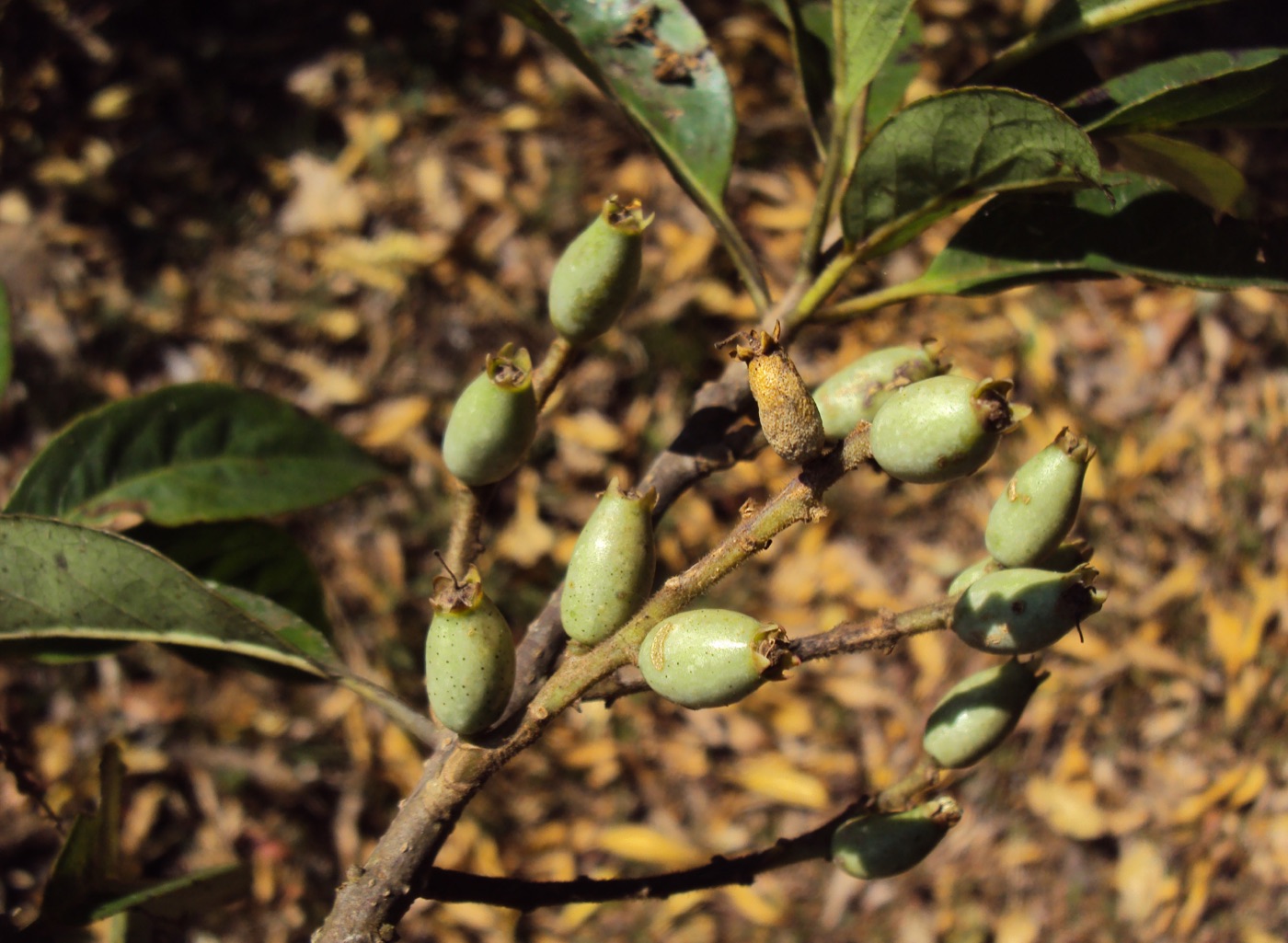

Lodhra is the bark of a small forest tree, used in Ayurveda for its drawing, astringent quality. It is the bark the tradition reaches for in women's health and in the care of the skin.
- Botanical name
- Symplocos racemosa
- Family
- Symplocaceae
- Sanskrit
- लोध्र
- Part used
- Bark
- Taste (rasa)
- Astringent, with a bitter edge (kashaya, tikta)
- Quality (guna)
- Light and dry (laghu, ruksha)
- Energy (virya)
- Cooling (shita)
- After digestion (vipaka)
- Pungent after digestion (katu)
- Action (karma)
- Draws together and steadies tissue, cools heat, settles Pitta and Kapha (stambhana, varnya)
- Best known for
- A cooling, astringent bark long used in Ayurveda for women's health and the skin
What it is
Lodhra is the bark of Symplocos racemosa, a small evergreen tree of the hill forests of India. It is an unshowy tree, with leathery leaves and small cream flowers carried in little spikes, which is where the name racemosa comes from. The part Ayurveda values is the bark, stripped, dried and ground.
The dried bark has a clean, drawing taste that puckers the mouth. That single quality, astringency, is the heart of what Lodhra does in the tradition, and almost everything the texts say about it follows from it.
What Ayurveda uses it for
Lodhra is, before anything else, an astringent. In Ayurvedic terms it is stambhana, a substance that draws tissue together and holds it firm rather than letting it run loose. Paired with its cooling nature, that is the quality the classical writers turned to in two settings above all.
The first is women’s health. The texts name Lodhra again and again among the barks used to steady and support the reproductive tissue, the artava dhatu, especially where there is heat. The second is the skin. Lodhra is called varnya, a substance that improves the complexion, and it appears in pastes and washes meant to cool, tone and clear the surface. Its drawing, cooling quality also lent it to the care of weeping or inflamed skin, where the tradition wanted to dry and settle the surface at once.
Its qualities, in plain words
Ayurveda describes every substance by a short list of qualities, and for Lodhra they fit together neatly.
It is astringent, the drawing, puckering taste, which is why the tradition uses it to firm and steady tissue. It is light and dry, so it tends to reduce rather than add, and to take up excess moisture. And it is cooling, which is why it suits the sharp, hot quality the texts call Pitta and the heat that often goes with disturbed blood. Put together: a bark that cools, dries and draws together, a good match wherever there is heat with looseness or excess flow.
How it is taken
The bark is used in several forms. As a powder it is taken in small measured amounts, often with honey, which the tradition pairs with Lodhra for heat. As a decoction, kashayam, the bark is simmered in water and the strained liquid drunk. For the skin it is made into a paste, lepam, or into a wash, applied to the surface rather than swallowed.
Lodhra is rarely used quite alone. It is most at home in named classical preparations where it is set beside other cooling, astringent and women’s-health herbs, so that the formula as a whole carries its drawing, steadying action where it is wanted.
Good to know
Because Lodhra is light, dry and cooling, the tradition is careful with it in people who are already dry and cold, the Vata-predominant, where it is given with warming, moistening partners rather than on its own. Its strength is heat with looseness or excess; its caution is dryness.
This entry describes the classical Ayurvedic understanding of the herb. It is not medical advice, and anyone with a health condition should speak to a qualified practitioner.
Frequently asked
What does astringent actually mean here? It is the drawing, puckering taste, the one you feel from strong tea or unripe fruit. In Ayurveda that taste marks a substance that tightens and firms tissue and takes up moisture. It is the quality that defines Lodhra.
Which part of the tree is used? The bark. It carries the astringent action in the most concentrated form, and it is what the classical texts mean when they name Lodhra. The leaves are used far less.
Why is Lodhra so often linked with the skin? Because the tradition calls it varnya, a substance that improves the complexion, and because its cooling, drying, drawing nature suits the surface. It appears in pastes and washes meant to cool and tone the skin.
Lodhra is astringent and cooling, and is praised among the substances that steady the tissues and clear the complexion.
After the Bhavaprakasha Nighantu, entry on Lodhra
Frequently asked questions
What is Lodhra used for in Ayurveda?
Lodhra, from the bark of Symplocos racemosa, is a cooling, astringent bark Ayurveda turns to for women's health, the skin and the complexion. The texts class it as stambhana and varnya, so it is used to draw together and steady tissue, cool heat and settle Pitta and Kapha, and it features in classical women's formulas.
What are the benefits of Lodhra?
In tradition Lodhra is valued for its astringent, cooling, tissue-steadying nature, turned to in women's health, for cooling heat and for the complexion, a varnya action. Its stambhana quality draws together and firms. It appears within classical formulas for the female cycle and the skin, used as a supportive tonic rather than a quick remedy.
How is Lodhra taken?
Lodhra bark is used as a decoction, a Kashayam, as a powder, or within classical formulations for women's health and the skin, taken in measured doses, and sometimes applied externally for the complexion. The form and amount are set to the person and the complaint. It is best used under a qualified Ayurvedic practitioner.
Is Lodhra good for the skin and complexion?
Yes, Ayurveda classes Lodhra as varnya, complexion-supporting, and uses its cooling, astringent bark for the skin as well as women's health. It is applied in pastes and used within formulas to steady and cool the surface and support an even complexion. The preparation is chosen to suit the skin and used with guidance.
Which dosha does Lodhra balance?
Lodhra settles Pitta and Kapha through its astringent, faintly bitter, cooling nature, which suits the heat and looseness those Doshas can bring. Its stambhana, drawing-together action firms and steadies tissue. Being cooling and drying, very dry, Vata-dominant constitutions usually take it within balanced formulas or under a practitioner's guidance rather than alone.
References
- Charaka Samhita, on the astringent (kashaya) group of substances.
- Sushruta Samhita, Uttara Tantra, on Lodhra in women's health and the care of the skin.
- Bhavaprakasha Nighantu, entry on Lodhra, on its taste, quality and potency.