Materia Medica · Dravyaguna
Katuki
Picrorhiza kurroa · Plantaginaceae
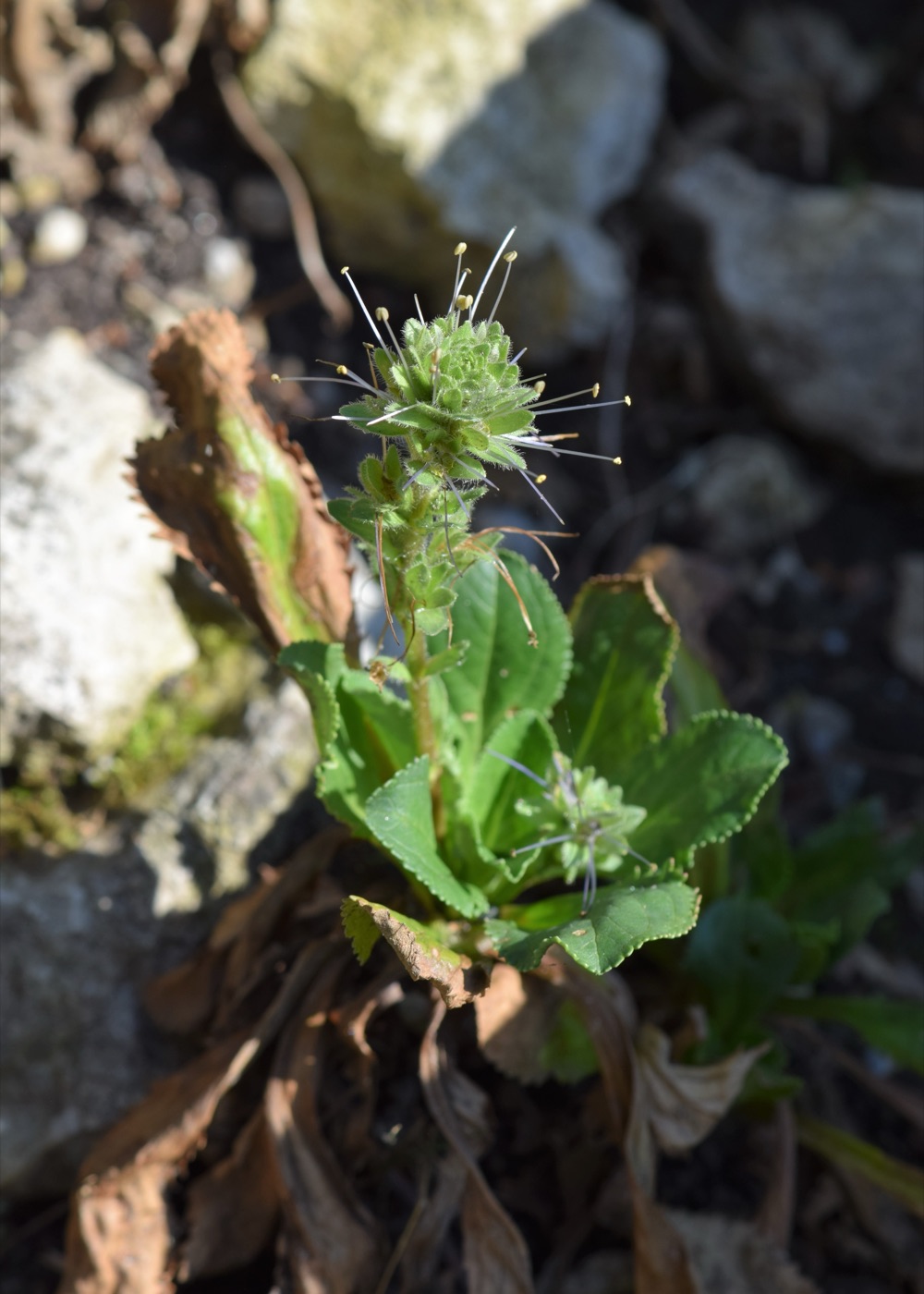

Katuki is the dried root of a little alpine plant from the high Himalaya. It is one of the most bitter substances in the whole Ayurvedic store, and the tradition uses bitterness like this to cool heat and kindle a slow digestion.
- Botanical name
- Picrorhiza kurroa
- Family
- Plantaginaceae
- Sanskrit
- कटुकी
- Part used
- Root and rhizome
- Taste (rasa)
- Bitter (tikta)
- Quality (guna)
- Light and dry (laghu, ruksha)
- Energy (virya)
- Cooling (shita)
- After digestion (vipaka)
- Pungent (katu)
- Action (karma)
- Cools excess Pitta, kindles digestion (pittahara, deepana)
- Best known for
- Being one of the most intensely bitter roots in the Ayurvedic store
What is Katuki?
Katuki is the root, with its short underground stem, of a small plant called Picrorhiza kurroa that grows high in the Himalaya, on cold rocky slopes above the tree line. The plant is modest to look at: a low rosette of leaves close to the ground and a slender spike of pale flowers. It is the dark, segmented root that Ayurveda dries and uses.
The first thing anyone notices about Katuki is the taste. It is fiercely bitter, and the name says so; katu points to a sharp, biting quality. In Ayurveda a taste this strong is not a fault but the very reason the tradition reaches for the herb. Bitterness has work of its own to do.
What Ayurveda uses it for
Ayurveda sorts herbs by taste, and the bitter taste, tikta rasa, has a clear character. It is cooling, it is light, and it scrapes rather than nourishes. The texts say bitterness cools heat, kindles a dull appetite, and helps clear the body of what has grown heavy or stagnant.
So Katuki is reached for in two situations above all. The first is too much heat, which Ayurveda reads as excess Pitta; bitter, cooling herbs are the classical answer. The second is a slow digestion, where the bitterness is used to wake the digestive fire the tradition calls agni. There is an old idea behind this: a touch of bitterness before food sharpens the appetite. Katuki is also one of the herbs the texts link with the clearing of the body’s channels.
Its qualities, in plain words
Katuki carries an unusual mix of qualities, and they explain its reputation. It is cooling, which is why it suits conditions of excess heat. It is light and dry, so rather than feeding and building the body it does the opposite, clearing and scraping away what is in excess. And it is, above everything, bitter, the taste the tradition trusts most for cooling and for cleansing.
Because it is light and drying, Katuki is not a herb for someone already depleted or dried out. It is a clearing herb, not a building one. The tradition uses it in measured amounts and usually for a defined course rather than indefinitely.
How it is taken
Katuki is most often taken as a powder of the dried root, in small amounts, because the bitterness is so strong. It is commonly stirred into warm water, sometimes with a little honey to make it easier to swallow. It is also prepared as a decoction, the root simmered in water, and it appears as one ingredient among many in classical bitter and digestive formulas.
The bitterness is the reason the dose is kept small, and the reason Katuki is so often combined with other herbs rather than taken alone. A little goes a long way.
Good to know
Katuki is a clearing, cooling herb, not a nourishing one, and the tradition treats it accordingly. It is used in modest amounts, for a set period, and is classically paired or balanced with other substances. It does not suit everyone, and a herb this strong is best taken on the advice of a practitioner.
This entry describes the classical Ayurvedic understanding of the herb. It is not medical advice, and anyone with a health condition should speak to a qualified practitioner.
Frequently asked
Why is Katuki so bitter, and is that a problem? The bitterness is exactly what the tradition values. In Ayurveda the bitter taste cools heat and kindles a dull digestion, and Katuki is one of the most concentrated bitter roots there is. The strength is the point, which is why it is used in small amounts.
Is Katuki warming or cooling? Cooling. Despite its sharp taste it is classed as cooling in potency, which is why the texts reach for it in conditions of excess heat.
Which part of the plant is used? The root together with its short underground stem. The plant is small, and the root is the part Ayurveda dries and powders.
The bitter taste, though no one craves it, clears the channels, steadies the digestion and cools the heat of the body.
After the Charaka Samhita, on the bitter taste
Frequently asked questions
What is Katuki used for in Ayurveda?
Katuki, or Kutki, from the Himalayan root Picrorhiza kurroa, is one of the most intensely bitter roots in the Ayurvedic store. The texts class it as pittahara and deepana, so it is traditionally used to cool excess Pitta and heat and to wake a sluggish digestion. It is a classical reach for the liver and bile.
Is Katuki good for the liver?
Ayurveda has long associated Katuki with the liver and bile, working through its intensely bitter, tikta, Pitta-cooling nature that clears heat and supports the Pitta seat. It is a common ingredient in formulations aimed at the liver and jaundice-type heat. Being potent and very bitter, it should be used under a qualified practitioner and with your doctor's knowledge.
Which dosha does Katuki balance?
Katuki chiefly settles Pitta, cooling the heat and sharpness of that dosha, while its bitterness also kindles Agni and can clear Kapha. Being bitter and cooling, it is used more carefully where Vata and dryness dominate, since strong bitters can be drying. Its main direction is to reduce excess Pitta and heat.
How do you take Katuki root?
Katuki is usually taken as a churna in a small dose, given its strong bitterness, often with honey or a suitable anupana, and it features in many liver and Pitta formulations. Because it is a potent bitter that also has a laxative tendency in larger amounts, the dose is best set by a qualified Ayurvedic practitioner.
Is Katuki safe to take?
In classical practice Katuki is used in small, measured doses because of its strength and bitterness, and larger amounts can act as a purgative. It is best taken under a qualified practitioner for the liver and Pitta complaints, and avoided in pregnancy unless specifically advised. Anyone with a liver condition should also consult their doctor.
References
- Charaka Samhita, Sutrasthana, on the bitter taste and the herbs that pacify Pitta.
- Sushruta Samhita, on bitter substances and conditions of excess heat.
- Bhavaprakasha Nighantu, on Katuki among the bitter roots.